Introduce
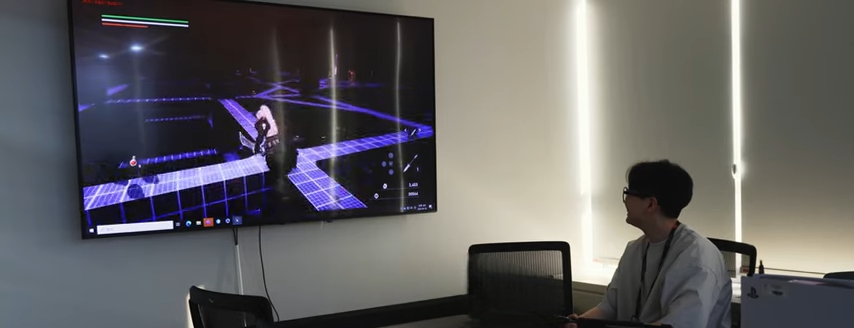
MOON DONG HYEN
Level Designer
Hello! I have always loved console FPS and ARPG games, and my passion for creating such games led me to enter the game industry as a level designer seven years ago. Through relentless challenges and dedication to making the games I love, I was incredibly fortunate to ship a console ARPG title.
I chose to become a level designer because I believed it was the role that could most directly deliver the player experience according to design intent. I wanted to craft memorable and enjoyable experiences through my own designs.
I have created experiences that immerse players in the world naturally through three-dimensional spatial design that delivers a sense of achievement via the joy of discovery, and environmental storytelling that lets players organically learn about the world.
While space is crucial in level design, I learned firsthand that monsters and mission structures placed within that space are equally important. Building monsters and missions myself gave me invaluable experience that greatly contributed to creating even more impressive level designs.
I love new challenges and aspire to continue this work, delivering enjoyable experiences to players for years to come.
Beyond game development, I love traveling. The experiences from my journeys so far have greatly influenced my level design inspiration, and I hope to continue exploring more of the world, gaining diverse insights through firsthand observation and learning.
Career
Nexon Games
Woochi the Wayfarer
Neople
Prime Project
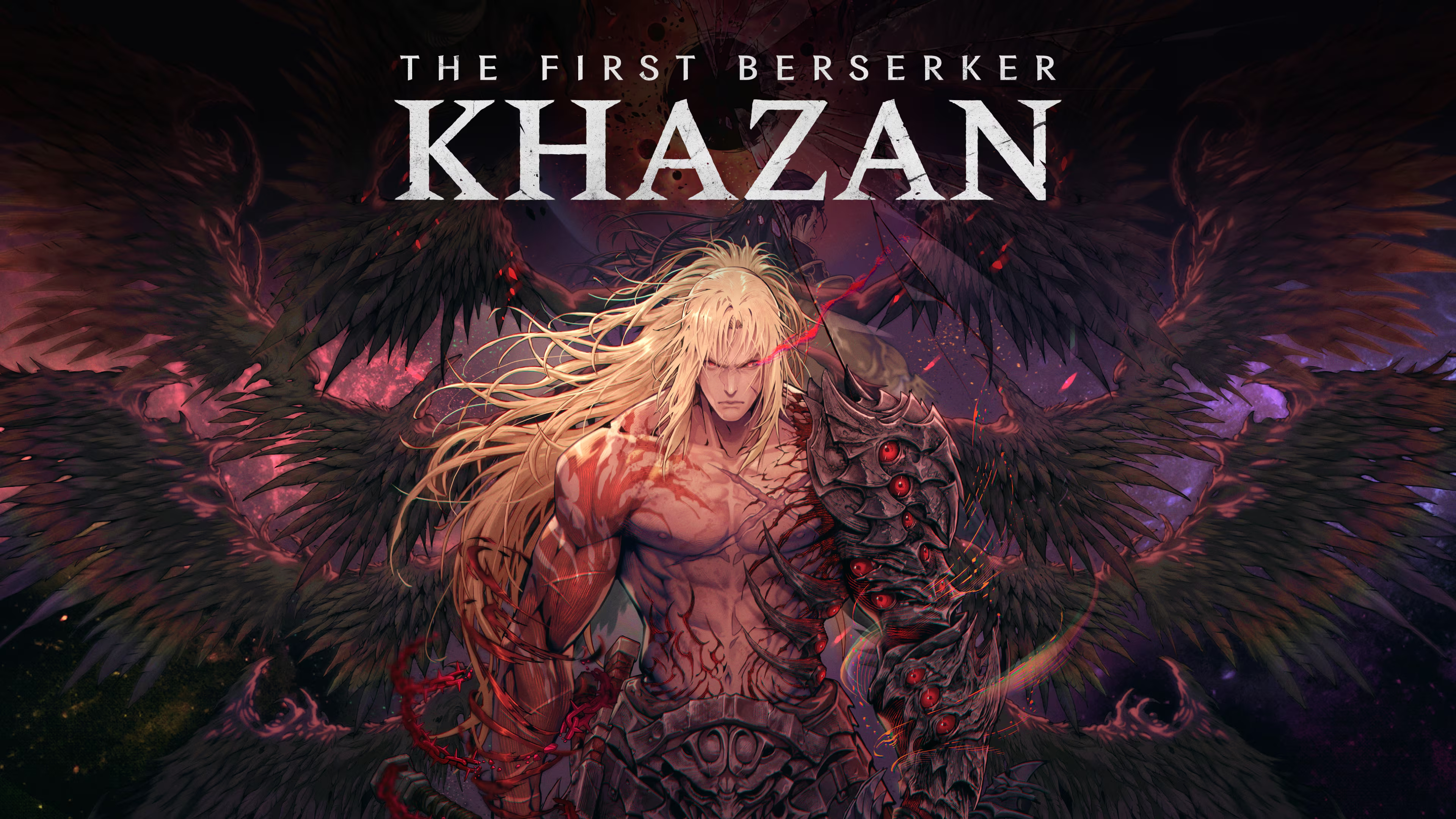
The First Berserker Khazan
Netmarble FNC
Arthdal Chronicles
Pixel Cruise
The Vanshee
Projects
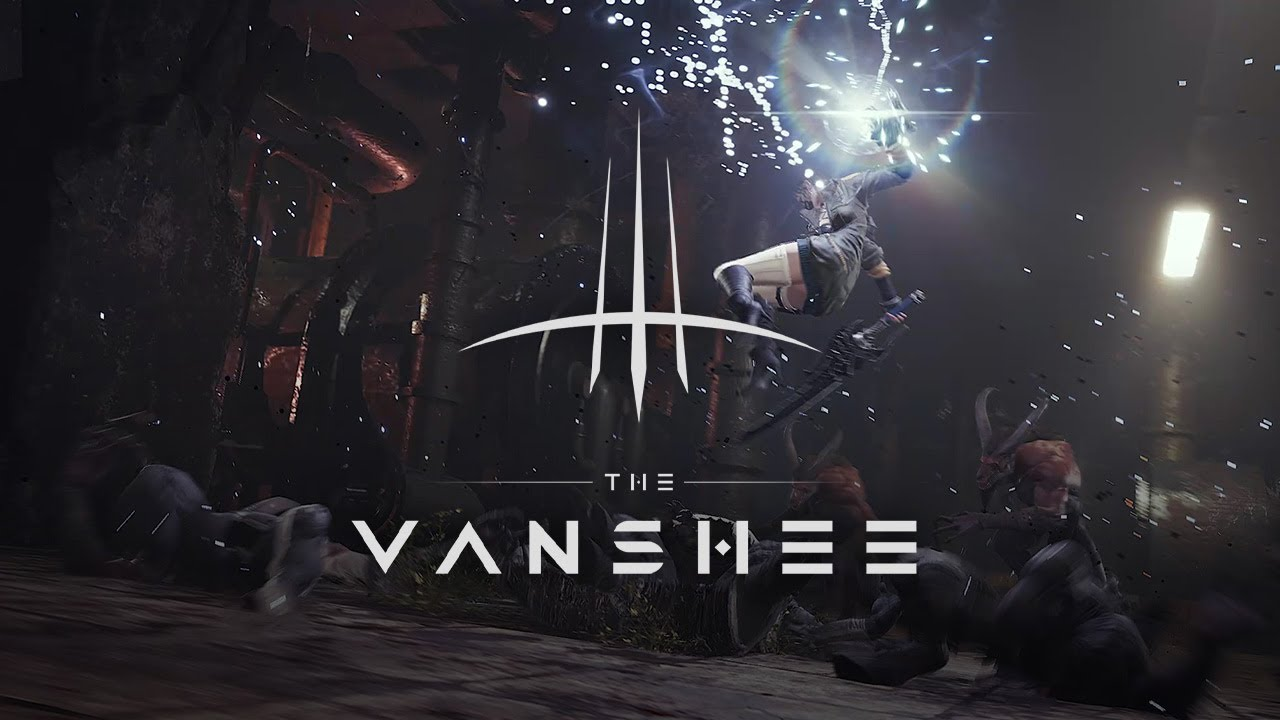
Gallery
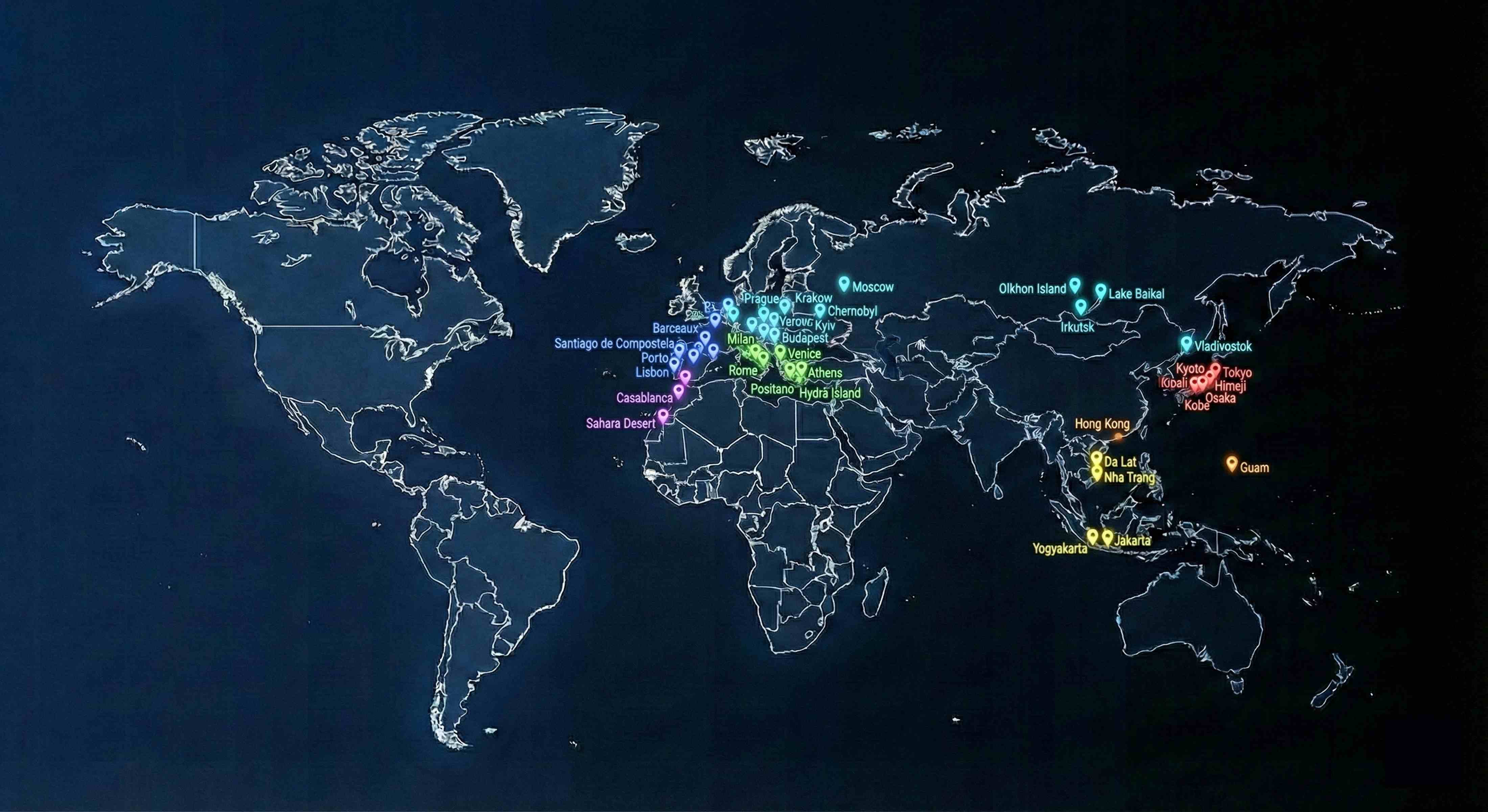
Traveling around the world has been a great source of inspiration for my level design work.
Interview
Interview with "The First Berserker: Khazan's" Level Designer
By Dante Alexandru - Need4Games Exclusive
Q1. What was the biggest difficulty in creating a level design for The First Berserker: Khazan?
The biggest challenge was to balance the appropriate amount by level and the difficulty felt.
As a specific example, I was deeply concerned when working on the 8th mission El Lavaca, which is the middle point of the total 16 main missions. Except for the boss battle, I set a goal of about 30 minutes of play time with only pure movement and combat, and the process of narrowing the gap that this 30 minutes could feel boring or too short depending on the user was very difficult.
The same was true of difficulty. Due to the nature of our game, we focused on controlling difficulty levels through spatial design rather than simply controlling the level of attack or physical strength of monsters. I constantly wondered how to place monsters on this terrain to give them reasonable pressure, and what kind of movement should we create to make it fun for users to attack.
In the beginning, I repeated the test based on my experience and feeling as a developer, but my subjective judgment was limited. Fortunately, by checking the play patterns and feedback of real users through two FGTs, I was able to establish a clear reference point for quantity and balance and learn a lot at the same time.
Q2. Were there any games that inspired the level design?
I was most inspired by the Dark Souls series, which showed the essence of Souls-like Exploration, the textbook of hardcore action RPG.
Everyone in the development team is a big fan of the genre, so we've put homage elements everywhere that go beyond mere references to show respect. Those who see as much as they know may have already found them.
Typically, there's a fork in the early Heinmach region. When you fall into the right side street instead of the main route, you'll encounter Seolin, a powerful elite monster, which deliberately borrows from the layout and flow of crystal lizards that kept users on their toes at the Cemetery of Ash, the Dark Souls 3 tutorial area.
In addition, the rotating gondola gimmick appearing at the Imperial Palace level is also an element of reinterpreting the elevator mechanism of Anor Londo, an iconic area of the Dark Souls series, to suit our game.
Q3. Was there an area or sequence that went through a major redesign?
A major redesign was carried out in the process of controlling the volume and difficulty after the first FGT.
Based on the data and feedback collected at the time, our top priority was to minimize the amount of time that would cause negative experiences or break the flow to users. We reviewed all levels from the ground up, and thought about maximizing the play experience with minimal resource modification.
In particular, there were significant changes in the Stormpass and El Lavaca areas where I was in charge. For example, in the case of El Lavaca Village, unnecessary movements at the introduction were drastically deleted to increase immersion.
The bizarre prison area was originally intended to be labyrinthine in complexity, but the structure was intuitively redesigned by accepting feedback that this acted as stress in finding directions rather than the fun of exploration.
Q4. Have you ever thought about adding secret bosses between levels?
Of course. The beauty of exploration and the joy of discovery given by Hidden Boss is a topic that was fiercely discussed within the development team.
However, adding a boss monster required a huge amount of resources from relevant departments, including designing combat spaces, setting world views, and implementing unique patterns, not just characters. There was a practical difficulty in capturing everything within a limited development period.
In the end, we chose choice and concentration. Rather than increasing the number of hidden bosses, we decided that the only way to give Khazan's experience was to raise the level of completion of the main boss battle, which marks the finale of each mission.
Q5. The decision to add a full platform section towards the end was interesting. Was there a special reason?
I'm sure many users felt a lot of pain in that section. Haha, to be honest, it's the most regrettable design and a section that I've learned a lot from when I look back.
The idea was inspired by the Ozma Raid setting in the original Dungeon & Fighter while working on a palace-level prototype. We wanted to take our game-style interpretation of the goal of reaching the castle with the final boss, Ozma, and the broken remnants of the original "Tower of Time" floating in the air.
However, after the release, I thought that this section, which suddenly appeared in the second half without sufficient pre-build-ups, caused users more discomfort or fatigue than challenges, in our game where jump or platform action is not the main mechanism.
From this experience, I realized how important the context and timing were to deliver it to the user as a reasonable experience, although new attempts are important. In the next project, I think I'll be able to show you a much kinder and more convincing design.
Q6. If there was a level that was discarded, could you tell me more about it?
There are quite a few ideas that have unfortunately not been seen in the development process. Among them, the most memorable one is the Palermion Escape Sub-Mission that I planned.
The original plan was a reverse driving play that started at the ending point and desperately escaped to the entrance, as opposed to the Palermion infiltration mission in the main episode.
In particular, the highlight of the mission was the finale. Unlike the main episode, which mainly features 1:1 matches with single bosses, we designed Khazan's first duo boss battle, in which two elite monsters collaborate at the same time. We expected the extreme action pleasure of reading both patterns simultaneously.
However, given the overall volume of the game and the development schedule, I decided to delete it with tears in my eyes so as not to compromise the density of fun.
Q7. What was the most difficult hurdle at Neople and what was your overall experience like?
Making console games itself was the most exciting opportunity and at the same time the hardest wall to overcome.
Every game developer must have had a dream in the back of his mind to create a console package game complete with his or her own hands. And while the joy was immense when given the opportunity, the practical challenges were clear.
It is an organization that has accumulated unique know-how in the PC online and MMORPG genres for a long time. Having been accustomed to live service games with long breath, it was a tremendous challenge to reestablish the development grammar of console action games from scratch.
But the process was more of a romance than a sense of hopelessness. Even heading to the ground was a pleasant experiment because all the team members were united in one goal of making the right console game. It was the most valuable experience in my developer life, where I was able to try bolder and more diverse because there was no fixed answer.
Q8. Now that The First Berserker: Khazan is out, what's Neople up to now?
It is difficult to reveal the specific project name here, but one thing I can tell you for sure is that Neople's challenge does not stop.
Various attempts are currently being made inside Neople to match the title of a master of action and go beyond the existing grammar.
The new projects to be unveiled will also prove the best action pleasure beyond what you can imagine, and you can look forward to Neople's next works.