The VanShee
Project Overview
The project that helped me take my first steps as a game designer — and one where I was able to learn and grow enormously.
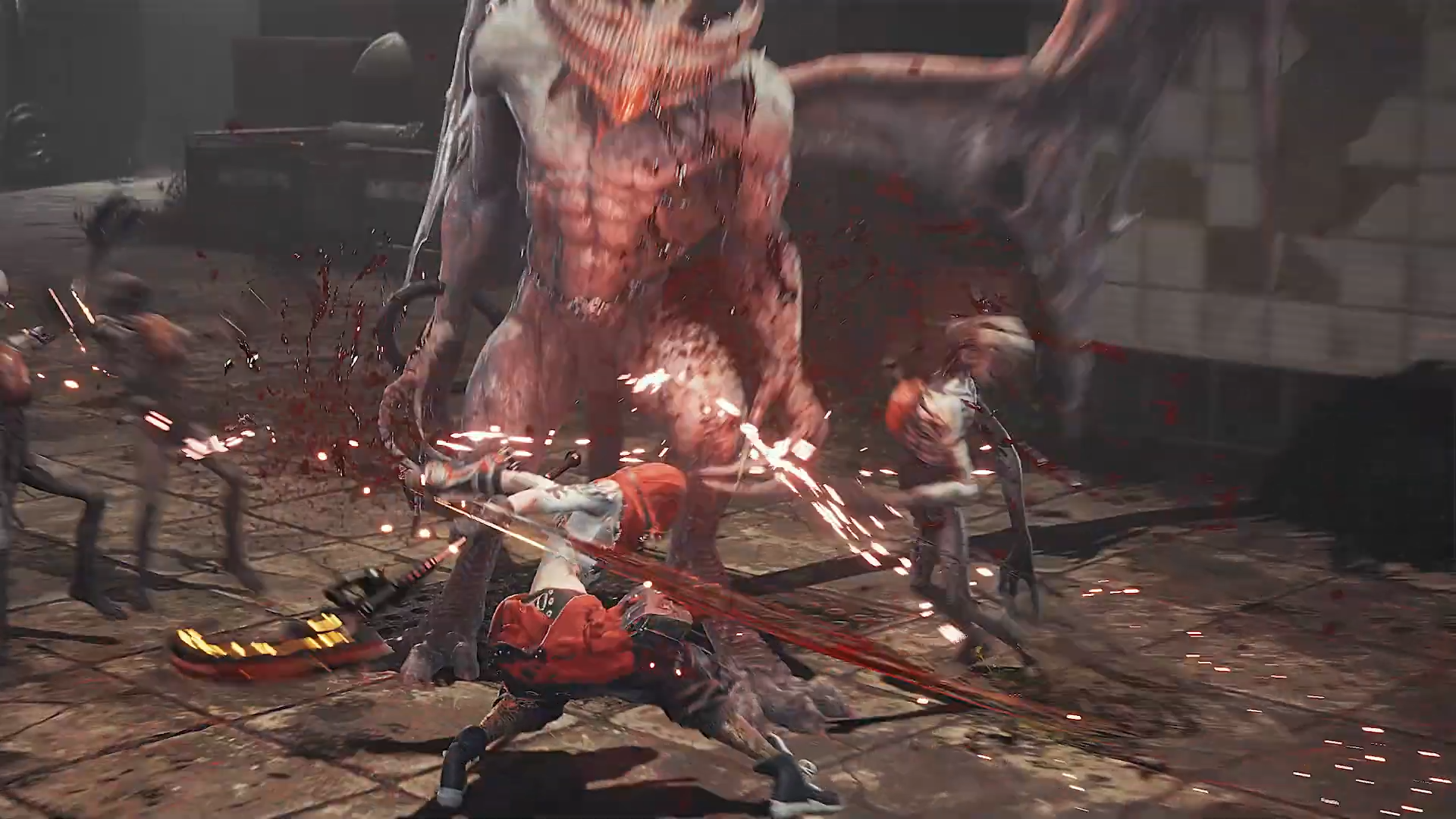
I took full ownership of 2 levels, handling everything from concept planning to blockout prototype creation, and even the monster faction concept planning and skill implementation for monsters placed in those levels. Beyond that, I planned a traversal action systemto create a dynamic movement experience unique to The VanShee's levels.
Although the project was unfortunately cancelled and never released, the nearly 3 years I spent here were not a failure but a tremendous opportunity for growth. The perspective I gained through experiences beyond level design — monster and system planning, as well as collaboration and communication with other departments — remains one of my most valuable assets to this day.
Key Responsibilities
Level Design Concept Planning & Blockout Production
Created 2 main open field levels at 1km × 1km scale
Traversal Action System Planning
Developed 3 traversal systems: climbing, zipline, and sliding
Monster Planning & Implementation
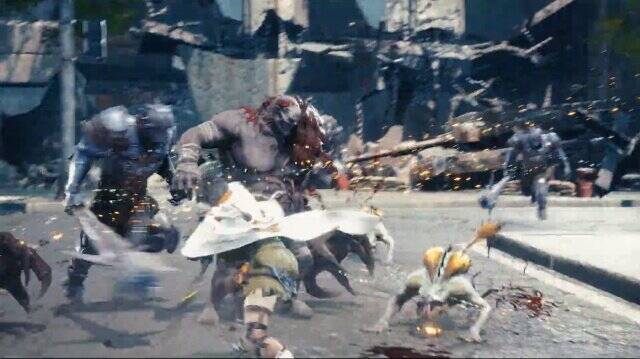
Created 30 monsters across 4 grades — normal, named, elite, and boss — for placement in City and Jungle levels
Mission Scripting
Mission design using Lua scripting
3 missions per level
Auxiliary Tool Planning for Workflow Efficiency
Level Design
Process
Concept Planning → Prototype Level Creation → Playtesting & Validation → Final Polish
Details
Common Design
- ·Designed with an ant-colony-style flow structure matching the open field direction, allowing free movement across all paths without restrictions
- ·Designed so that finding the optimal route to the objective during mission play itself becomes a measure of player skill
- ·Placed landmark elements at key destinations where bosses are located so players can perceive the goal direction
- ·Set minimum wall height to 6m to match character action characteristics, minimizing jump skill usage and camera collisions
City
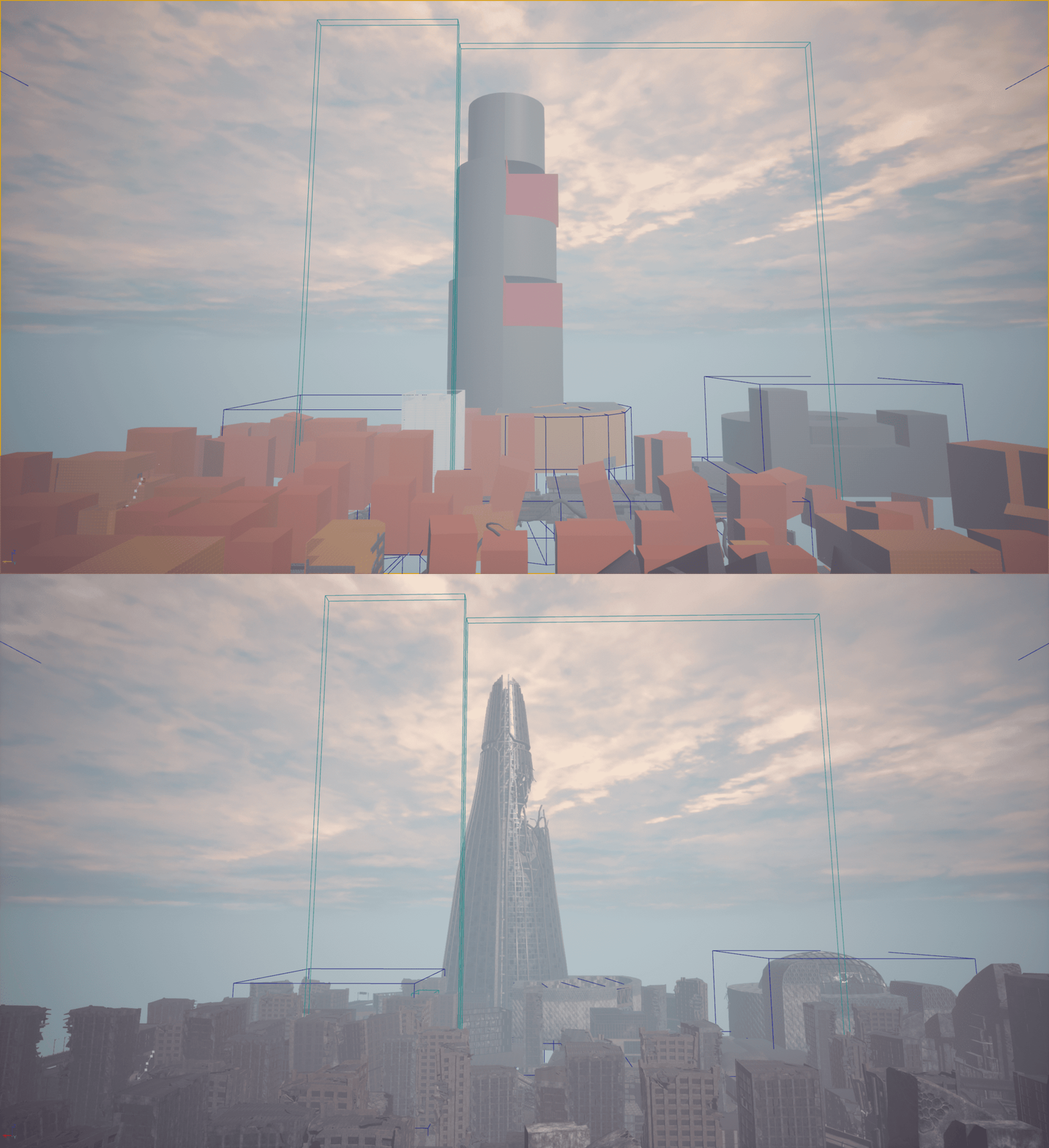
Concept to prototype: 4 months- ·Based on the post-apocalyptic downtown setting, used the Jamsil district of Seoul as the foundation — leveraging the rarity of Seoul-set games as a key point
- ·Divided into two themes — "Overground" of collapsed buildings and rubble, and "Underground" dark and cramped — to transition atmosphere and play experience
Overground
- ·Wide open sightlines and spacious combat areas designed to enable hit-and-run tactics based on visual information
- ·Encouraged players to self-assess and choose their own difficulty
- ·Designed combat experience of gathering and sweeping clustered monsters using the wide combat space
Underground
- ·Narrow space, dark atmosphere, and complex paths created short sightlines and limited movement radius — providing spatial tension contrasting the Overground
- ·Designed combat experience of constantly reading the surrounding spatial structure to avoid being surrounded by monsters in confined space
- ·Designed movement experience penetrating building interiors to convey a sense of vertical level composition
Jungle
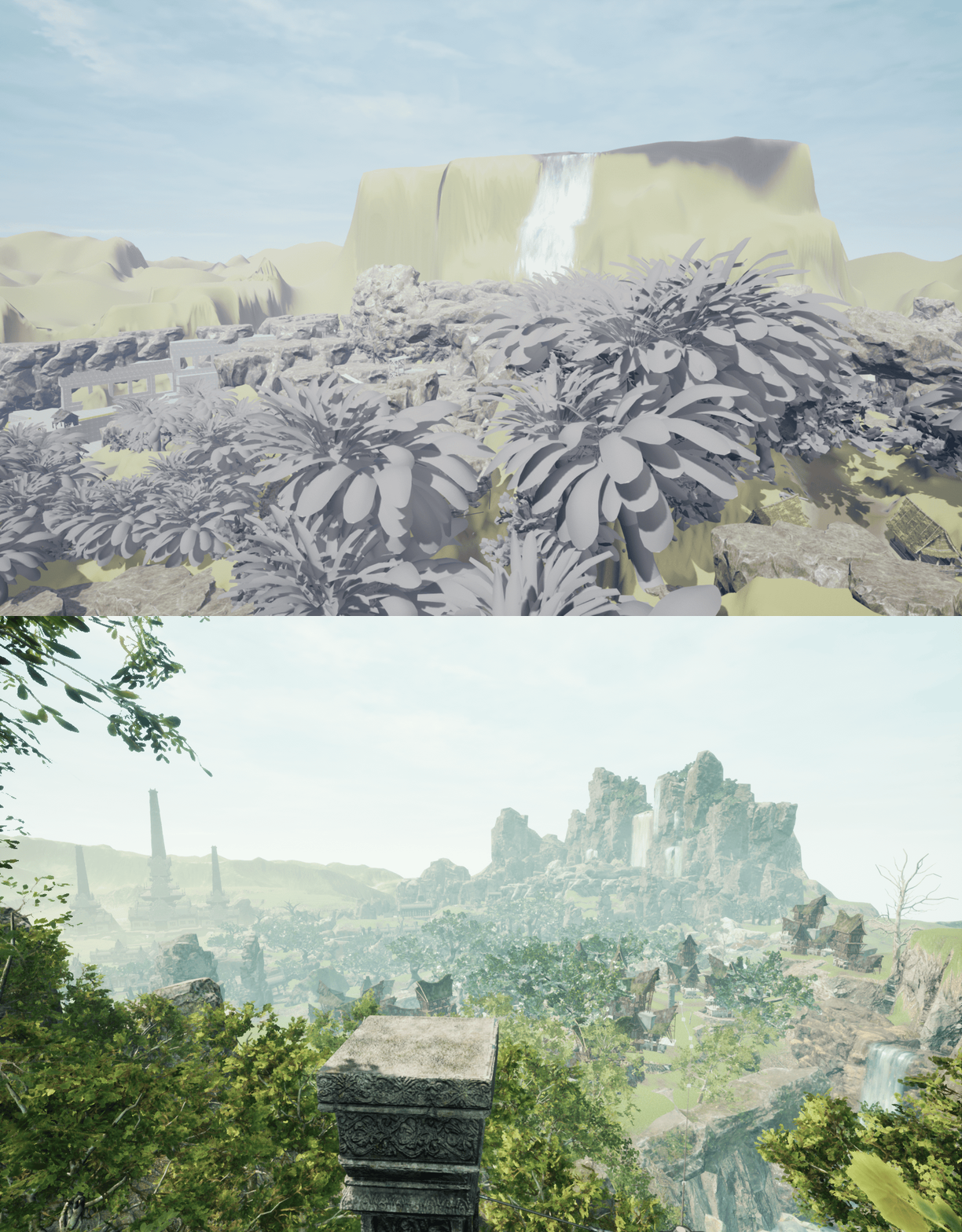
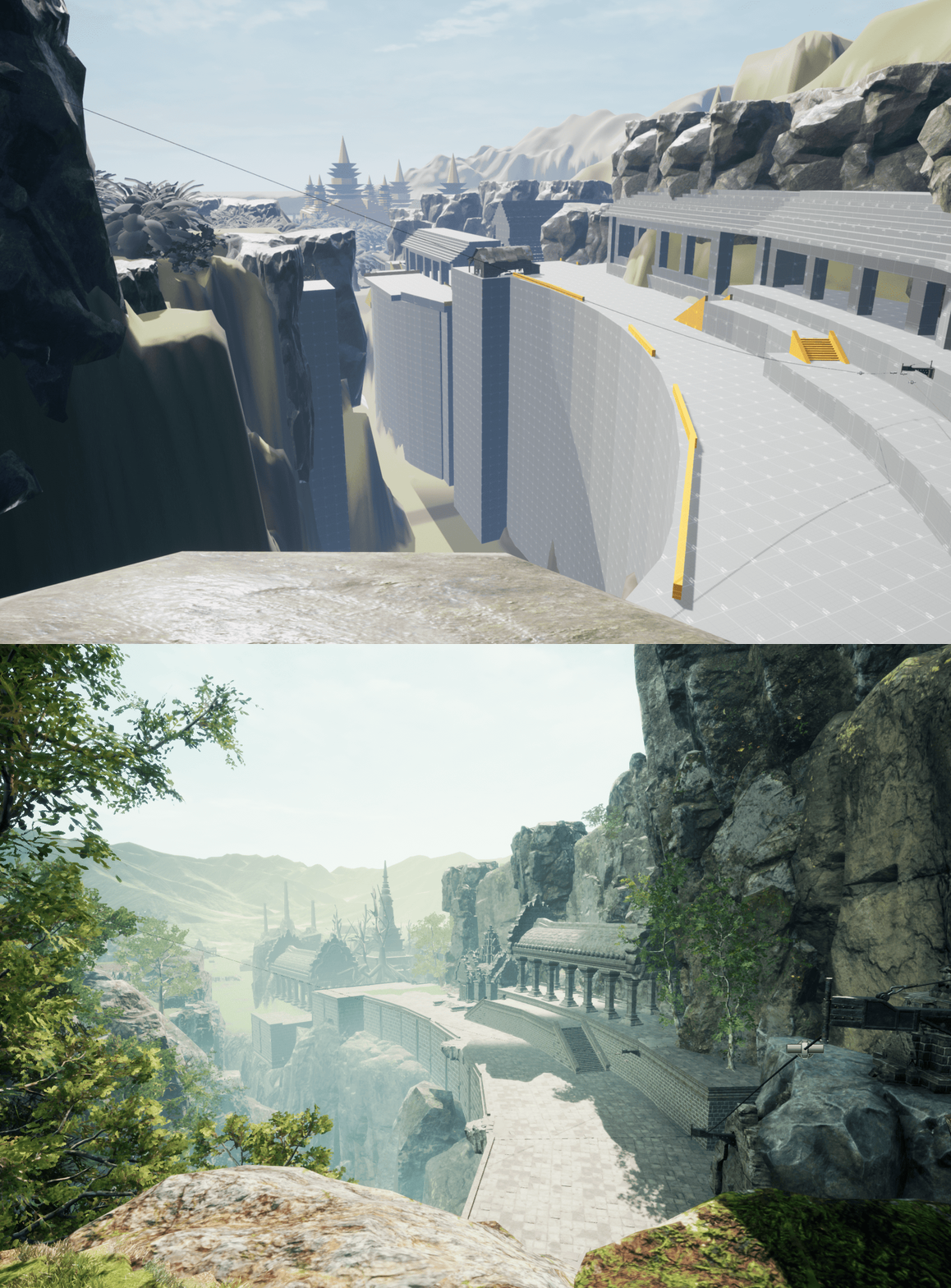
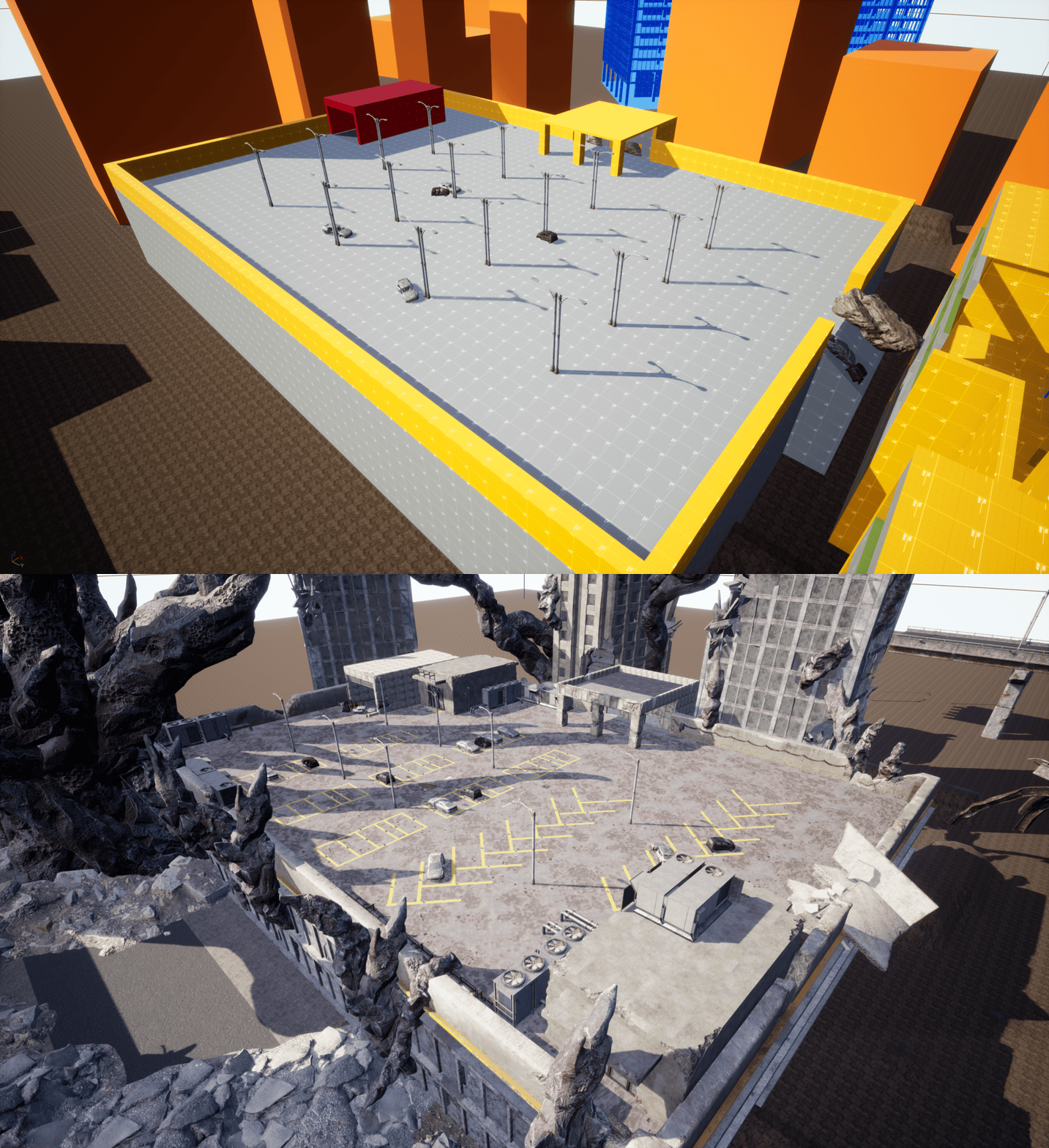
Concept to prototype: 3 months- ·Based on the setting of a refuge in a post-apocalyptic world, used Southeast Asian jungle as the motif for overall level work
- ·Aimed for a lower difficulty level compared to the complex City — minimized paths and complex indoor structures to create a more combat-focused design
- ·Reinforced environmental storytelling and atmosphere through ruined Buddhist ruins and Buddha statues
- ·Added two terrain types — "elevation differences" and "fall-off" — to differentiate monster placement and combat play experiences
- ·Used elevation terrain to increase long-range monster placement ratio, conversely guiding players to exploit plunge attacks against monsters
- ·In fall-off terrain, guided easier monster elimination through knockback skill combos while creating tension with the player's own fall risk
Key Learnings
- ·Experienced the full process from concept planning to prototype level creation to polish, and learned that level design is not merely about building maps — monster placement and combat experience design make up an enormous portion.
- ·Through collaboration with the background art team, I learned the importance of clearly communicating level design intent, and that bridging the different perspectives between planning and art has a major impact on the level's quality.
Traversal Action Planning
Process
Design Document → Feature Testing → Final Polish
Details
Common Design
- ·Created 3 traversal actions: climbing, sliding, and zipline
- ·Given the game's high combat frequency, planned to provide clear rest periods and minimize movement tedium in the game's repetitive play loop
- ·Since this is not an action-adventure game but a combat-core game, having traversal actions active at all times would interfere with combat. Implemented as volumes placed in levels rather than as character abilities, to avoid disrupting combat
- ·Structured traversal actions as shortcut movements — guiding players to discover optimal routes through traversal on repeated missions
Climbing
- ·Created for vertical movement purposes
- ·Two types based on climbing actor distance: standard movement, and movement via direction + jump button input
- ·Placed at intervals throughout climbing sequences requiring input, conveying rhythm and the fun of controls
Sliding
- ·Created to forcibly push players in one direction toward boss rooms or specific arenas
- ·Made controllable during sliding, conveying the fun of dodging walls or traps while moving
Zipline
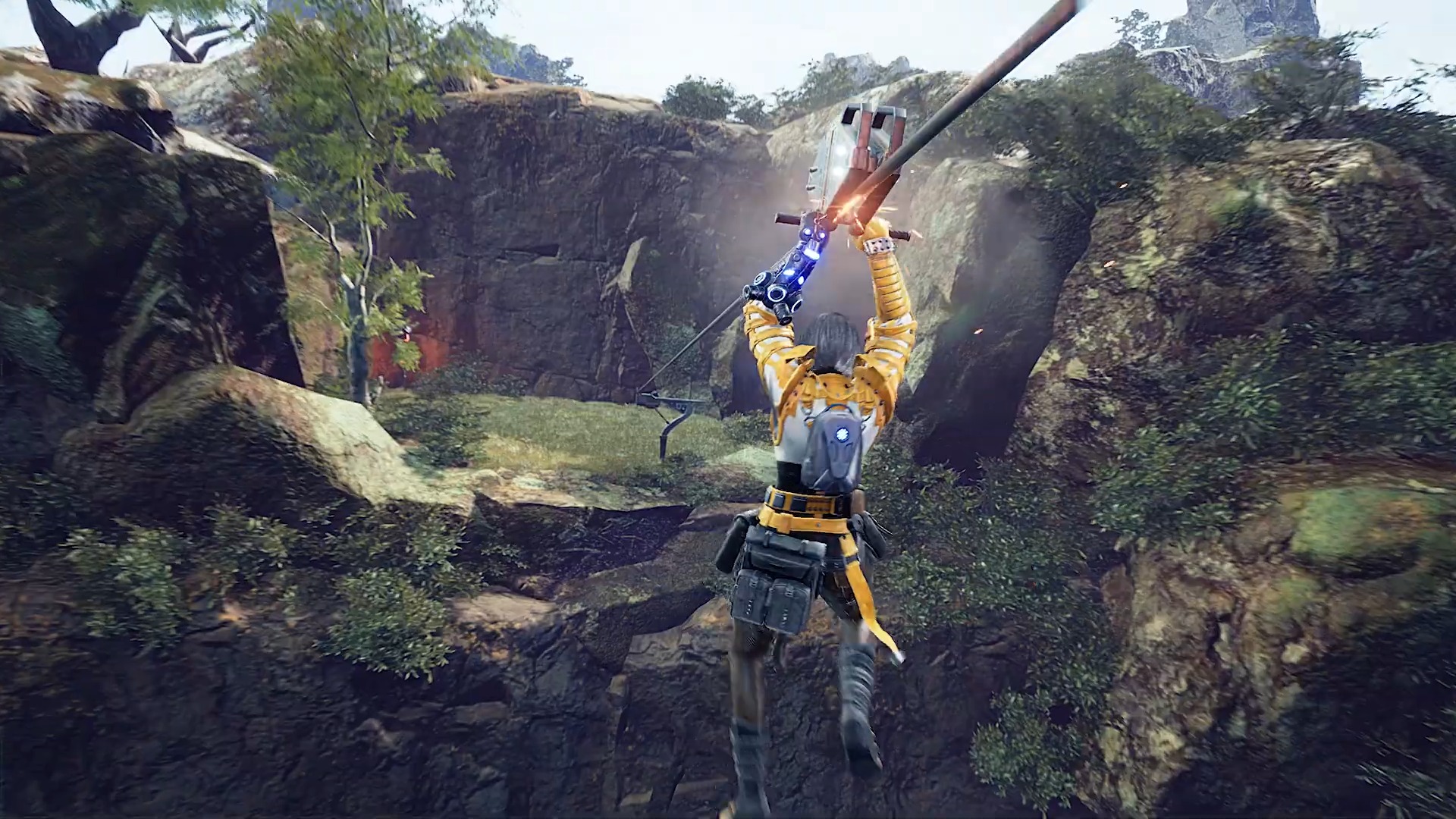
- ·Designed for use when crossing long distances
- ·Camera control enabled during zipline traversal to allow looking at the surrounding scenery, providing a moment of rest
Key Learnings
- ·Through close collaboration with animation and programming teams, I learned that different departments have different perspectives, and that there is a great deal for planning to check — and that going forward I need to look broadly from other departments' viewpoints as well.
- ·I had not given much thought to camera framing and transitions during the planning stage, but through actual testing and feature development I realized how important this was. I learned that not only functional design but also the directorial perspective must be seriously considered.
Combat Design (Monsters)
Process
Concept Planning → Skill Implementation → Playtesting → Final Polish
Details
Concept & Skill Planning
- ·Planned overall appearance, weapon concepts, and skill mechanisms
- ·Planned monster appearances and weapons appropriate to each level environment to be clearly recognizable and predictable
- ·Key focus: Can this monster provide sufficient play fun when placed alone?
Skill Implementation
- ·Skill implementation work using Lua scripting
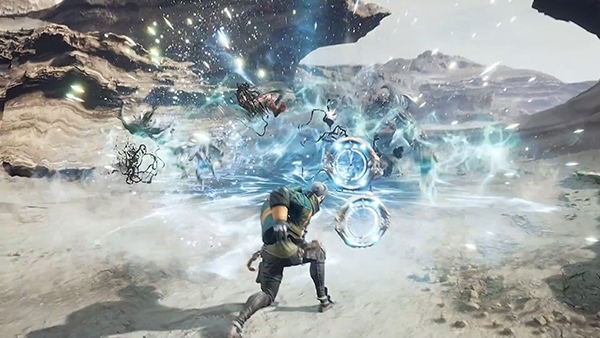
- ·Created diverse monster skills including melee, single projectile, multi-projectile, homing, and buff types
- ·Animation and hitbox adjustment using Unreal Engine montages
Playtesting
- ·Validated that even prototype monsters without art resources provide sufficient mechanically intended fun
- ·Repeated cycles of testing and revision
Final Polish
- ·Assembly work after art resource handoff
- ·Verified animation and hitbox alignment and completed final quality
Key Learnings
- ·Through repeated monster design iterations, I learned what is most important for making good monsters.
- ·Monster concept must connect with the level environment for immersion to come alive.
- ·Monster concept and skills are deeply connected to level design.
- ·Monsters must match the background atmosphere of the level for immersion to work.
- ·Even the same monster delivers vastly different play experiences depending on placement.
- ·Attacks must be readable from motion and weapon form alone for players to feel the combat is fair.
- ·A well-designed monster is one that is threatening in both solo and grouped placement, while still giving the player sufficient fun.
Mission Design
Process
Based on Mission Settings → Scripting → Playtesting → Final Polish
Details
Key Learnings
- ·Through collaboration with the lore team, I experienced the communication process of proposing and coordinating directions that could enhance play experience fun.
- ·Difficulty and experience vary by mission, and to stably control this mission flow I learned I must carefully consider all variables and unexpected situations a user might attempt from the user's perspective.
Auxiliary Tool Planning
Details
NavLink Proxy Generator
- ·Planned a large-scale NavLink generation tool using volumes to reduce the cost of placing individual NavLink proxies
- ·An auxiliary tool enabling easy NavLink placement by setting the generation count and NavLink direction within the volume range
Climbing Actor Data Extractor
- ·Identified that dozens to hundreds of climbing actors are placed per level, and validating all of them incurred significant costs
- ·Extracted climbing actor data to a CSV file, enabling rapid identification of problematic areas through data and minimizing validation cost
Key Learnings
- ·Discovered that play feedback or art resource replacement in level placement work increased the need for actor repositioning, leading to a high incidence of human error.
- ·Learned that auxiliary tools that streamline validation costs can improve both work efficiency and quality simultaneously.
Images
City
Jungle